
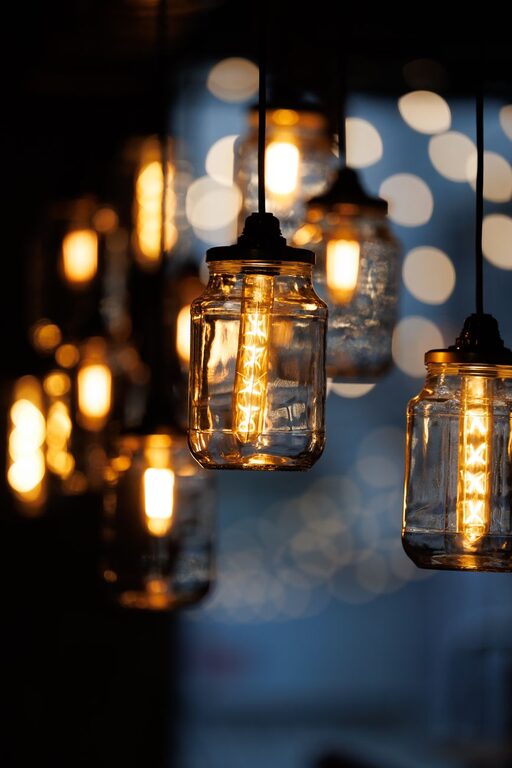
Creating a comfortable home environment involves many elements, and one of the most important yet often overlooked factors is lighting. The right lighting can affect your mood, productivity, and even your health. Whether you are redesigning your living space or updating a few fixtures, choosing comfortable home lighting can transform your rooms into inviting, functional areas.
In this post, we’ll share helpful tips to guide you in selecting lighting that fits your needs, complements your decor, and promotes a cozy atmosphere.
Understanding Different Types of Lighting
Before choosing fixtures, it’s essential to understand the three main types of home lighting:
1. Ambient Lighting
This is the general lighting that fills the room and provides overall illumination. Ceiling-mounted fixtures, chandeliers, or recessed lights are common sources.
2. Task Lighting
Task lighting focuses on specific areas where activities like reading, cooking, or working take place. Desk lamps, under-cabinet lights, and pendant lights often serve this purpose.
3. Accent Lighting
Accent lighting adds drama and highlights features such as artwork, plants, or architectural details. Spotlights and wall sconces are frequently used here.
Combining these layers of lighting helps achieve balance and comfort.
Tips for Choosing Comfortable Home Lighting
1. Consider the Room's Purpose
Different rooms require different lighting approaches:
– Living Room: Emphasize warm ambient lighting to create a relaxing atmosphere. Use dimmers for flexibility.
– Kitchen: Bright task lighting helps during cooking and food prep. Under-cabinet lights are highly effective.
– Bedroom: Soft, adjustable lighting promotes a restful setting. Bedside lamps with warm bulbs are good choices.
– Bathroom: Clear, focused lighting around mirrors supports grooming tasks.
2. Choose the Right Color Temperature
Color temperature, measured in Kelvins (K), affects how light appears:
– Warm light (2700K–3000K) creates a cozy, inviting feeling and is often preferred in living and bedrooms.
– Neutral white (3500K–4100K) suits kitchens, bathrooms, and work areas for clear visibility.
– Cool white (5000K+) is brighter and can help with concentration but may feel harsh in living spaces.
Select bulbs that match the mood you want for each room.
3. Look for Adjustable Features
Dimmable lights or fixtures with adjustable brightness let you customize lighting levels throughout the day and for different activities.
Smart bulbs can be controlled with apps or voice commands, adding convenience and flexibility.
4. Prioritize Energy Efficiency
Energy-efficient LED bulbs use less electricity and last longer than traditional incandescent bulbs. They come in various color temperatures and brightness levels, making them versatile and budget-friendly over time.
5. Pay Attention to Fixture Placement
Avoid glare by positioning lights thoughtfully. For example, place reading lamps so that the light comes from behind or beside you, not directly into your eyes.
In kitchens and workspaces, ensure task lighting is placed to prevent shadows. Layering different light sources creates more visual interest and comfort.
6. Use Multiple Light Sources
Relying on a single ceiling light can feel harsh or insufficient. Blend ambient, task, and accent lights for a well-rounded setup that suits different needs and times of day.
7. Match the Style to Your Decor
Lighting fixtures contribute to your home’s aesthetic. Choose styles and finishes that complement your furniture and color scheme without compromising comfort.
8. Test Your Options
If possible, test bulbs or fixtures in your space before buying extensively. Bring samples home or use adjustable lamps to find the ideal brightness and color temperature.
Extra Tips for Specific Rooms
Living Room
Include floor lamps for extra light when needed. Consider wall sconces to create gentle uplighting.
Kitchen
Install adjustable pendant lights above islands or counters. Task lighting under cabinets keeps work areas brightly lit without shadows.
Bedroom
Try motion-sensor nightlights or soft floor lighting for safe navigation at night without disrupting sleep.
Bathroom
Use bright, shadow-free lights around mirrors. Consider moisture-resistant fixtures for safety.
Final Thoughts
Choosing comfortable home lighting doesn’t have to be complicated. By focusing on function, layering different types of light, and selecting the right bulbs and fixtures, you can enhance the comfort and usability of your home environment.
Remember, lighting affects your daily life in subtle ways, from boosting your mood to making household tasks easier. Take the time to evaluate your rooms and experiment with various options. The right lighting is an investment in your home’s warmth and your well-being.
—
We hope these tips help you create a comfortable, well-lit home that you enjoy spending time in. Happy lighting!