
Reducing food waste at home is not only good for your wallet but also beneficial for the environment. Millions of tons of food are wasted each year globally, contributing to unnecessary greenhouse gas emissions and loss of resources. Fortunately, there are many simple steps you can take to cut down on food waste in your daily life. This guide will walk you through practical and effective ways to reduce food waste, from smart shopping to proper storage and creative cooking.
Why Reducing Food Waste Matters
Before diving into tips, it’s helpful to understand why reducing food waste is important. When food is thrown away, all the energy, water, and labor used to produce, transport, and prepare it are wasted too. Excess food waste also fills up landfills, producing methane, a greenhouse gas that contributes to climate change. By reducing waste at home, you can save money, reduce your environmental footprint, and even improve your cooking skills by using ingredients more thoughtfully.
Plan Your Meals and Shopping
Make a Weekly Meal Plan
One of the most effective ways to avoid wasting food is to plan your meals for the week. Knowing exactly what you intend to cook helps you buy only what you need and reduces impulse purchases that may spoil before use.
– Decide what meals you’ll prepare for the week.
– Take inventory of what you already have in your pantry and fridge.
– Write a detailed shopping list based on your meal plan.
Shop Smart and Avoid Overbuying
When shopping, stick to your list to avoid buying items you won’t use. Avoid bulk purchases of perishable goods unless you are sure you will consume them on time.
– Shop more frequently but buy less per trip to keep items fresh.
– Choose loose fruits and vegetables so you can buy exactly the amount you need.
– Check expiration dates and buy items that will last until you plan to use them.
Store Food Properly
Proper food storage extends the life of fresh produce, dairy, and leftovers, helping prevent premature spoilage.
Understand Storage Needs
Different foods require different storage conditions for maximum freshness.
– Keep fruits like apples, berries, and grapes in the fridge.
– Store tomatoes and bananas at room temperature.
– Use airtight containers for leftovers and store them in the fridge promptly.
Use Clear Labels and First In, First Out (FIFO)
Organizing your fridge and pantry so you use older items first helps reduce waste.
– Label leftovers with the date so you know when to consume them.
– Arrange items so that older foods are at the front and newer ones at the back.
– Regularly check your fridge and pantry to spot items that need to be used soon.
Get Creative with Leftovers
Leftovers don’t have to be boring or wasted. With a little creativity, they can become delicious meals or snacks.
– Turn cooked vegetables into soups or sauces.
– Use stale bread for croutons or bread pudding.
– Combine odds and ends of produce into stir-fries, frittatas, or salads.
Practice Portion Control
Cooking or serving large portions often leads to uneaten food. Being mindful of portion sizes helps reduce plate waste.
– Use smaller plates to encourage reasonable servings.
– Serve smaller portions and allow seconds if still hungry.
– Store uneaten food promptly to eat later.
Preserve Excess Food
If you have more food than you can consume before it spoils, preservation methods can save it from waste.
– Freeze fruits, vegetables, and cooked meals for future use.
– Pickle or ferment surplus vegetables.
– Dry herbs for flavoring meals later.
Compost Food Scraps
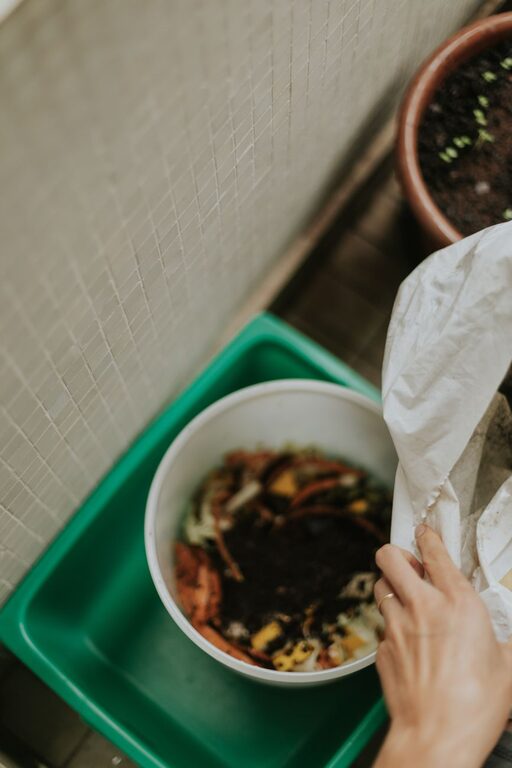
Not all food scraps can or should be eaten, but composting them keeps them out of landfills and creates rich soil for gardening.
– Collect fruit and vegetable peels, coffee grounds, and eggshells.
– Avoid composting meat, dairy, and oily foods to prevent odors.
– Use a backyard compost bin or find local composting programs.
Educate Your Household
Make reducing food waste a team effort by involving everyone in your household.
– Share tips on meal planning and portion control.
– Encourage responsible grocery shopping.
– Teach children about the value of food and environmental impact of waste.
Summary
Reducing food waste at home is achievable with thoughtful planning and habits. By planning meals, shopping smartly, storing food properly, getting creative with leftovers, controlling portions, preserving excess food, composting scraps, and involving your household, you can significantly cut down on wasted food. These small actions add up to save resources, reduce greenhouse gas emissions, and save money—benefiting you and the planet.
Start incorporating these tips today to make your kitchen a more sustainable and waste-free space!